

Winter is the ultimate stress test for security systems. Snowstorms, freezing temperatures, power outages, and limited visibility expose the weaknesses of traditional surveillance almost immediately. For construction sites, commercial properties, and remote locations, losing security during a storm is not just inconvenient. It is when theft, vandalism, and unauthorized access are most likely to occur.
This is exactly why businesses are turning to Solar-powered security trailers designed to operate independently, even in the harshest winter conditions.
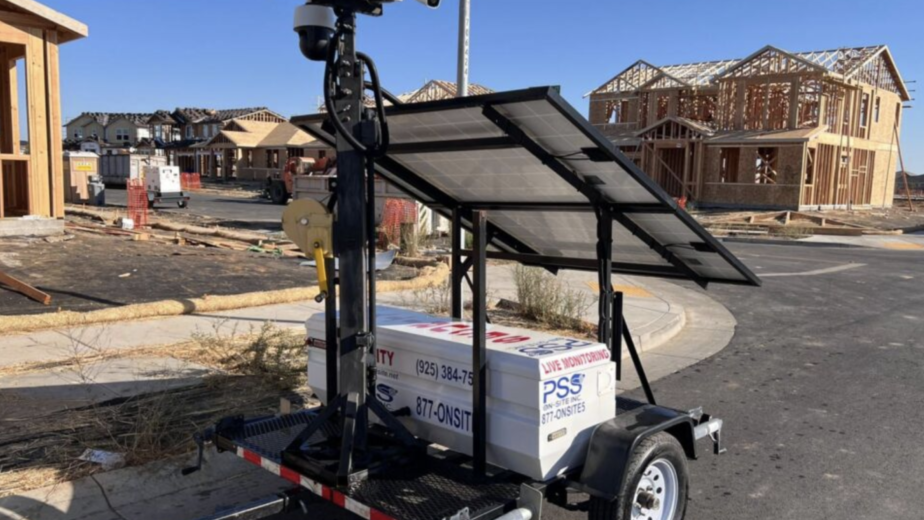
Unlike fixed systems that rely on grid power and wired infrastructure, solar trailers are built for resilience. Off–grid security systems continue operating when power lines go down, generators fail, or access roads are blocked. Battery banks store excess energy, ensuring continuous operation through long nights, cloudy days, and severe weather events.
A key advantage of modern solar trailers is durability. Weatherproof surveillance units are engineered to withstand snow accumulation, freezing rain, heavy winds, and fluctuating temperatures. Enclosures are sealed against moisture, components are rated for cold weather, and mounts are designed to remain stable on icy or uneven ground.
Winter conditions often reduce visibility, which weakens standard camera systems. Winter-proof mobile surveillance combines thermal-capable cameras, low-light sensors, and intelligent detection to maintain visibility even during snowstorms or heavy fog. Movement is detected accurately without relying solely on clear daylight or artificial lighting.
For construction and industrial sites, security cannot pause just because weather conditions worsen. Reliable construction security depends on systems that stay operational during storms, holidays, and overnight shutdowns. Solar trailers arrive fully self-contained, allowing sites to remain protected even before permanent utilities are available.
Storms also increase risk. Emergency response times slow down, staff availability drops, and criminals take advantage of reduced oversight. That is where Emergency site security services play a critical role. Live monitoring teams continue watching sites remotely, responding to alerts, issuing voice warnings, and coordinating response even when physical access is limited.
One common concern is performance during winter. Modern systems are built with Solar security camera reliability winter in mind. Panels are angled to reduce snow buildup, batteries are temperature-regulated, and systems are optimized to conserve power without sacrificing coverage. This ensures consistent performance throughout extended cold spells.
When severe weather hits, mobility becomes a major advantage. Storm-ready surveillance trailers can be repositioned to protect vulnerable areas, new staging zones, or emergency repair sites without additional infrastructure. This flexibility allows security to adapt as conditions change.
Because these systems operate independently, Autonomous security units eliminate many traditional failure points. There are no cables to snap under ice, no reliance on temporary generators, and no need for constant on-site adjustments. Everything runs as a self-contained ecosystem.
At the center of it all is 24/7 solar surveillance monitoring. Even when roads are closed or crews are limited, monitoring never stops. AI-driven alerts combined with trained human operators ensure threats are identified and addressed immediately, regardless of weather conditions.
Winter exposes weak security systems fast. Solar-powered trailers are built specifically to handle the cold, the storms, and the unpredictability that come with harsh seasons. For businesses that cannot afford downtime, staying online through winter is not optional. It is essential.