

Every construction project starts the same way. Equipment arrives; fencing goes up, schedules tighten, and budgets get locked. What most project managers underestimate is how quickly theft, vandalism, and unauthorized access can derail timelines and inflate costs. When that happens, the question becomes simple. Should you buy security equipment or lease it? For modern construction sites, leasing almost always wins.
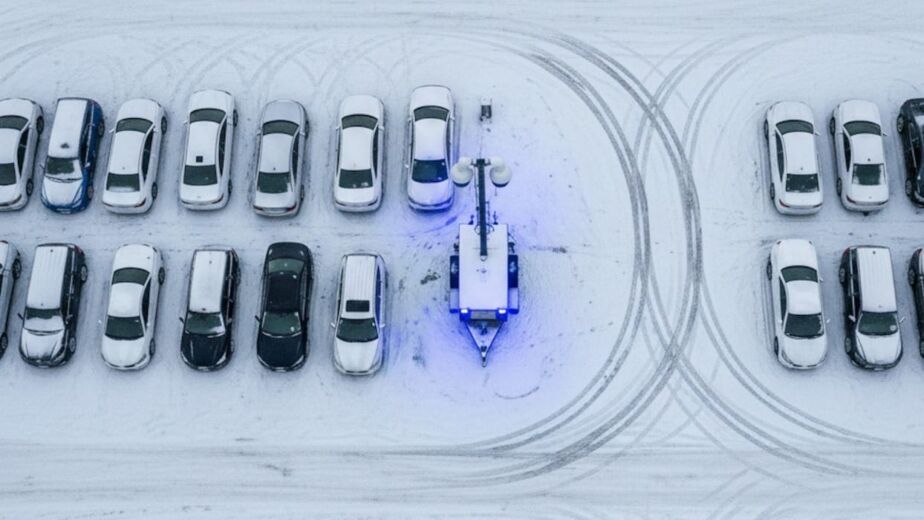
Construction environments are temporary by nature. Sites change, layouts evolve, and security needs to shift week to week. Buying fixed systems locks you into equipment that may not fit your next project. That is why more contractors are choosing Mobile surveillance trailer rental solutions instead of making large upfront purchases.
Leasing provides flexibility. It allows teams to scale security based on risk, project phase, and site size. When ground breaks, you can immediately Rent security cameras for construction sites and have protection in place the same day. When the project wraps up, the equipment goes back, not into storage collecting dust.
Another major factor is speed. Construction theft does not wait for installations or approvals. Leasing enables Rapid deployment security, meaning sites can be secured within hours instead of weeks. Mobile units arrive fully equipped, preconfigured, and ready to operate without trenching, wiring, or permanent infrastructure.
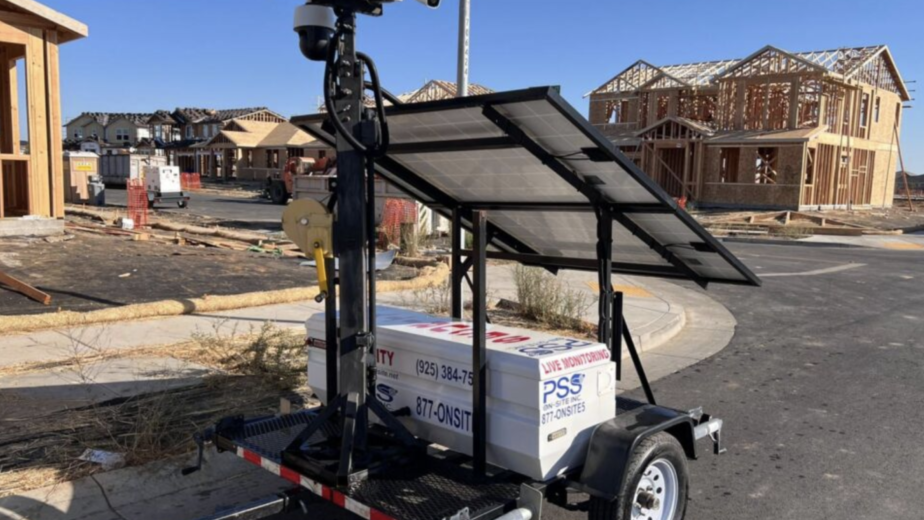
Power access is another challenge on early-stage sites. That is where Solar-powered security trailer options shine. These units operate independently, providing continuous monitoring even before utilities are established. Contractors avoid generator costs, fuel expenses, and downtime caused by power outages.
Leasing also reduces financial risk. Buying surveillance equipment ties up capital that could be used for labor, materials, or scheduling contingencies. With Short-term construction security contractors only pay for protection during the period they need it. No long-term depreciation. No maintenance of ownership. No technology obsolescence.
Modern leased systems are not basic cameras. They include live monitoring, AI detection, two-way audio deterrence, and detailed reporting. With Mobile CCTV rental services in San Francisco, suspicious activity is detected in real time and addressed immediately. Instead of discovering theft the next morning, incidents are stopped while they are happening.
Construction sites also move. What secures the perimeter one month may need repositioning the next. Leasing allows teams to relocate coverage as the project evolves. Portable security units can be repositioned easily to protect new material staging areas, equipment zones, or site entrances without additional cost or installation delays.
Another advantage overlooked is compliance and insurance. Insurers increasingly favor active monitoring over passive recording. Using Temporary surveillance units with live oversight helps reduce claims, speed up investigations, and strengthen security documentation. This often translates into fewer disputes and smoother insurance processes.
Buying equipment also means managing maintenance, repairs, software updates, and failures. Leasing removes that burden. With Construction site security rental San Francisco, all maintenance, monitoring, and system performance are handled by professionals. If something fails, it is replaced quickly without impacting the job schedule.
Finally, leasing aligns perfectly with how construction works. Projects are temporary. Risks are dynamic. Security should be just as adaptable. That is why many contractors now Lease mobile security units instead of investing in rigid systems that cannot keep up with real-world job site demands.
In the end, the smarter choice is the one that protects assets, controls costs, and adapts to change. For today’s construction projects, leasing mobile security units does exactly that.